My field of study major E
Our studies are built upon four fundamental subjects that transform us from passive users of technology into skilled engineers and technicians. These subjects are Electrical Basics, Electronics, Network Technology, and Applied Informatics. Each plays a specific role in our technical development.
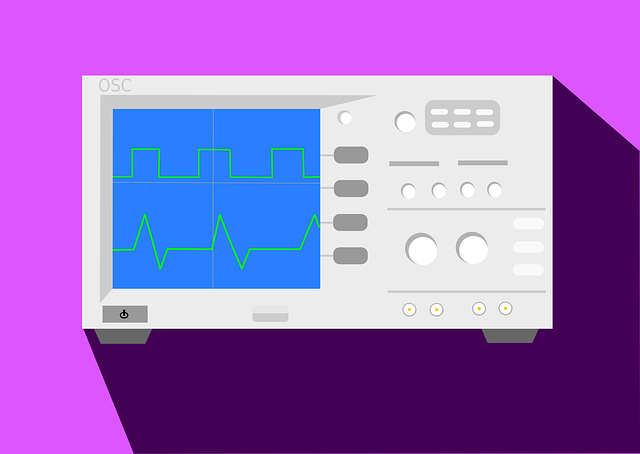
Electrical Basics: This subject serves as the absolute foundation of our major. We deal with the fundamental laws of physics that govern electricity, such as Ohm’s Law and Kirchhoff’s Laws. We have acquired knowledge concerning both direct current (DC) and alternating current (AC) circuits. We have learned to calculate essential electrical quantities including voltage, current, resistance, and power. Beyond theoretical calculations, we spend significant time in laboratories learning how to use measuring instruments like multimeters and oscilloscopes. Understanding these basics is crucial because every electronic device, from a simple lightbulb to a complex supercomputer, operates based on these principles.
Electronics: While Electrical Basics teaches us how electricity moves, Electronics teaches us how to control that movement to perform specific tasks. In this subject, we focus on semiconductor components such as diodes, transistors, and integrated circuits. we have obtained information about how these components are used to build amplifiers, power supplies, and logic gates. We analyse how electronic signals are processed and transformed. This subject is the bridge to modern hardware design, allowing us to understand the internal workings of everything from mobile phones to industrial control units in factories.
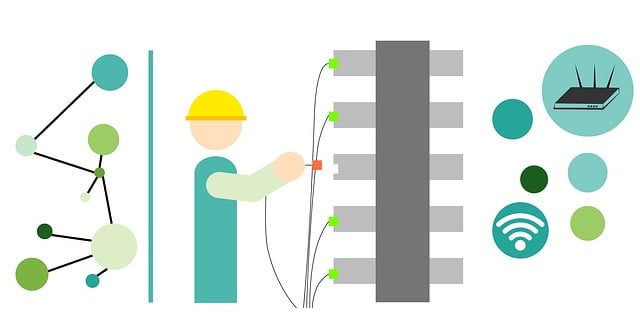
Network Technology: In the modern world, devices rarely work in isolation; they must communicate. Network Technology deals with the architecture and protocols that allow computers and machines to exchange data. We have learned about the OSI model, which describes the different layers of network communication. We focus on the hardware aspect, such as routers, switches, and cabling, as well as the software aspect, including IP addressing and routing protocols. We have acquired skills in configuring local area networks (LAN) and understanding the security measures needed to protect data from cyber threats. This subject is essential because it forms the backbone of the internet and the "Internet of Things" (IoT).
In our Applied Informatics classes, we learn how to use computers to solve real technical problems. We start with web design, using HTML to create the basic structure of a website and CSS to make it look professional with colours and layouts. We also study the C programming language, which is a powerful tool used to write the "instructions" for small computer chips inside electronic devices. This helps us understand how hardware and software work together. Finally, we use Microsoft Word to learn how to write professional reports and technical documents, making sure we can explain our work clearly to others.
A major advantage of our field of study is that it is highly practical. We do not just read about technology, we build it. We learn how to read technical drawings, how to solder components accurately, and how to code for example this website.
Furthermore, at the end of our studies apart from the school-leaving exam (Maturita) we have the opportunity to obtain prestigious certificates. For example, many students in our major work toward the CCNA (Cisco Certified Network Associate) certification, which is recognized worldwide as a standard for networking professionals. Additionally, we can obtain certificates for working with specific engineering software or safety certifications that allow us to legally work on medium-voltage electrical systems (§21). These certificates provide a significant advantage in the job market, proving our expertise to future employers.
In my opinion, studying this major is both challenging and incredibly rewarding. It requires a logical mind and a strong background in mathematics and physics, but it offers the chance to understand the "magic" behind the devices we use every day. I find the subject of Network Technology particularly interesting because it explains how the global digital world is connected.
The future for graduates in our field is very bright. As the world moves toward renewable energy, electric vehicles, and increased automation, the demand for skilled electrical and network technicians is higher than ever. Whether we choose to work in telecommunications, power engineering, or software development, the skills we have gained in this major provide a solid foundation for a successful and stable career.

Obrázky použité na tejto stránke sú čerpané zo stránky:
pixabay.com